

Fred Hutch foam breakthrough boosts gene therapy
Fred Hutchinson Cancer Center
Seattle, Wash.
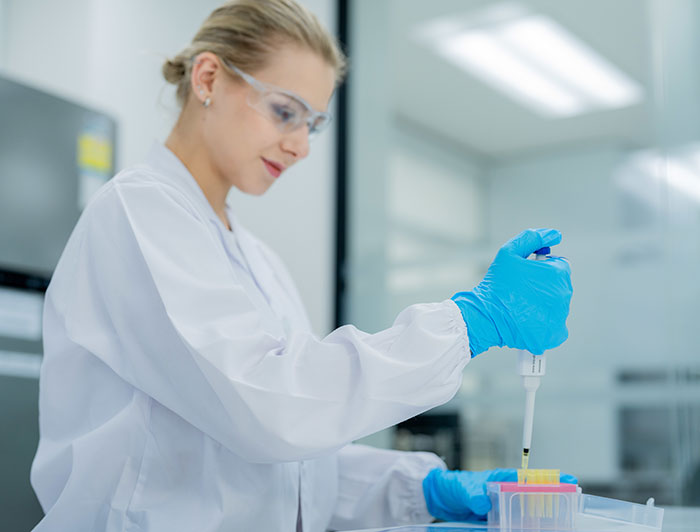
Researchers at Fred Hutchinson Cancer Center in Seattle are testing a simple idea with surprisingly big potential: a special type of foam that makes gene therapy more efficient. In early lab studies using a preclinical bone marrow model, researchers were able to genetically modify bone marrow stem cells by combining methylcellulose foam with an approved method to extract and concentrate bone marrow cells.
Methylcellulose foam is a mixture of bubbles surrounded by thin liquid layers called lamellae. The foam’s structure allows a small amount of liquid to spread over a large area without it leaking away, while the thin layers concentrate the vector — the delivery vehicle for the genetic material. The foam increases contact between the vector and target cells, improving efficacy while decreasing the dose.
A straightforward approach, this method has the potential to make gene therapy simpler, more affordable and more accessible, particularly if applied to a broader range of diseases via stem cells (which are “incubated” in bone marrow). This list includes blood disorders like hemophilia and sick cell disease, the latter of which is currently treatable, but the process is lengthy, cost-prohibitive for many patients, and not optimally efficient.
“In theory, if you could genetically modify stem cells, you could treat all these diseases, because the stem cell differentiates into all these cell types,” according to Fred Hutch bioengineer and senior study author Matthias Stephan.